Have you ever wondered what credit score you need to buy a home? The number you have in mind might not be right. And figuring out the answer is becoming a little more complicated because the way credit scores are calculated and shared is changing, and these changes could work in your favor.
Here’s what you need to know as credit rules continue to change.
#1 Most People Are Guessing
Since 2015, Fannie Mae has been tracking what consumers think the minimum credit score is to qualify for a mortgage. The findings show that people consistently overestimate the score lenders actually require. Even in 2023, the average estimate was 652.
The truth is, the traditional minimum credit score for loans backed by Fannie Mae and Freddie Mac has been 620. But today, even that isn't a strict requirement for every mortgage they back.
Just like the Fannie Mae research, a recent survey by Veterans United found that many people still overestimate the credit score needed to qualify for a mortgage.

The bottom line? Having the wrong information could cost you.
A renter who thinks their credit score is too low to qualify for a mortgage may never take the time to find out if they actually qualify.
#2 Credit Rules Are Changing
For years, the mortgage industry relied on just one credit scoring model called Classic FICO. But now, things are changing. To encourage competition, make credit scoring more inclusive, and help more Americans become homeowners, the Federal Housing Finance Agency (FHFA) has approved newer scoring models, including FICO 10T and VantageScore 4.0.
Different credit scoring models can give the same person different scores. VantageScore says its model can evaluate about 33 million adults who can't be scored using the traditional Classic FICO model. That means the score you saw on your credit app last month might not be the same one your lender uses.
Keep in mind, the scoring models may be changing, but the fundamentals are still the same.
#3 Do Your Part And Partner With A Pro
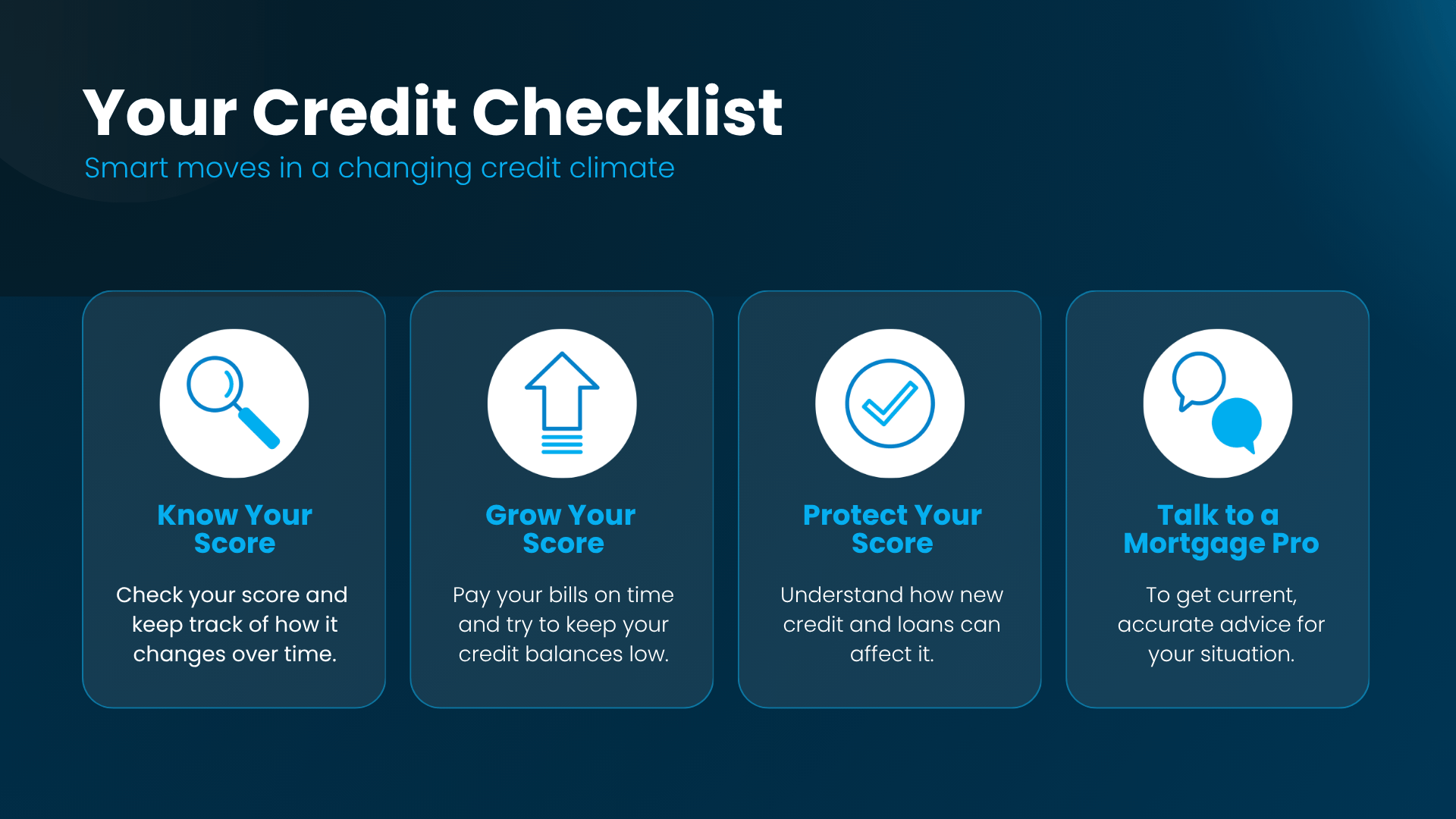
Credit scoring models may change, but the basic steps to improve your score stay the same. Staying informed, being consistent, and making smart financial choices can make a big difference.
Bottom Line
Don't base your credit or homebuying decisions on an app, a chart, or advice from friends. With credit rules changing and so much misinformation out there, it's a good idea to talk to a professional loan officer early. They can help you understand your credit, plan your budget, and figure out what you need to qualify for a mortgage.
You might be closer to becoming a homeowner than you realize!