Whether you already own a home or are planning to buy one, home prices matter. But with so many headlines out there, it can be hard to understand what’s really happening in the housing market right now.
One headline says home prices are dropping, while another says they’re still going up.
So, which one is true? It really depends on where you live.
What’s Really Going on with Asking Prices
Some of the confusion comes from how the media reports asking prices. Headlines focus on prices dropping without explaining the full picture or mentioning seasonal trends. Here’s what you need to know.
According to HousingWire Data, the median asking price dropped from $449,000 in early August to $435,000 just two months later, as shown in the graph below.
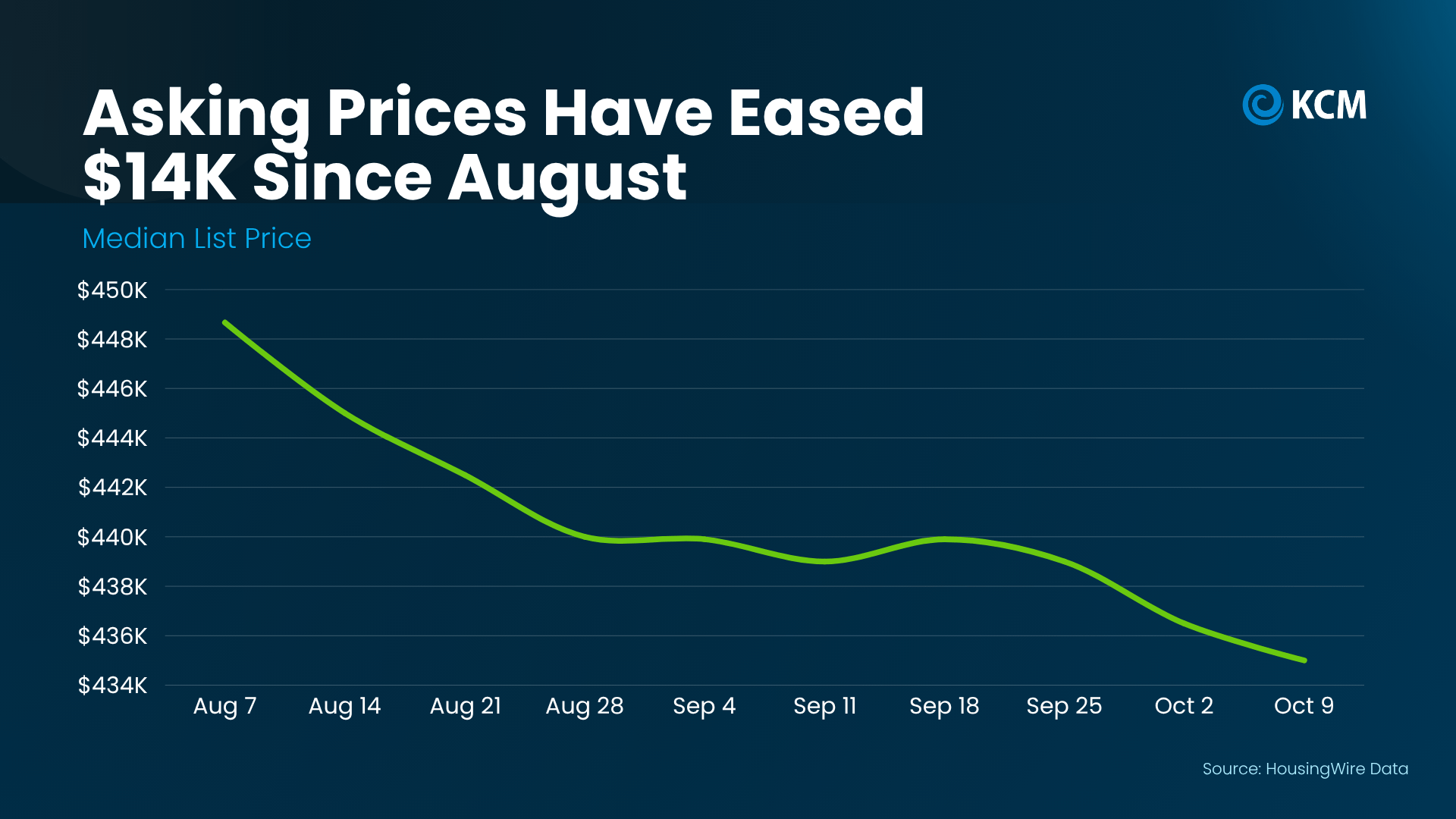
That’s a drop of about 3%, and much of it is simply part of the usual seasonal trend.
Asking prices typically cool down in the fall after the busy summer season ends. With fewer buyers shopping, sellers often set more competitive prices. Mortgage rates also play a role, as sellers adjust their prices to fit buyers’ budgets. And that’s a good thing because realistic pricing helps homes sell.
Keep in mind that these are national asking prices, not the actual prices homes are selling for in your area. Before jumping to conclusions based on headlines, talk to a local real estate agent who can explain what’s really happening in your market.
Where You Live Changes Everything
““While national headlines might suggest a buyer’s market is taking hold, the reality on the ground depends heavily on where and what you’re trying to buy. Local trends can diverge sharply from national averages, especially when you factor in price range, property type, and post-pandemic market dynamics.”
”
The latest data from the S&P Cotality Case-Shiller Index shows just how much home prices can vary by location. Over the past year, prices in Chicago rose nearly 7%, while Seattle saw a drop of about 1.6%. That’s a difference of almost 9 percentage points between two major cities, as shown in the graph below.
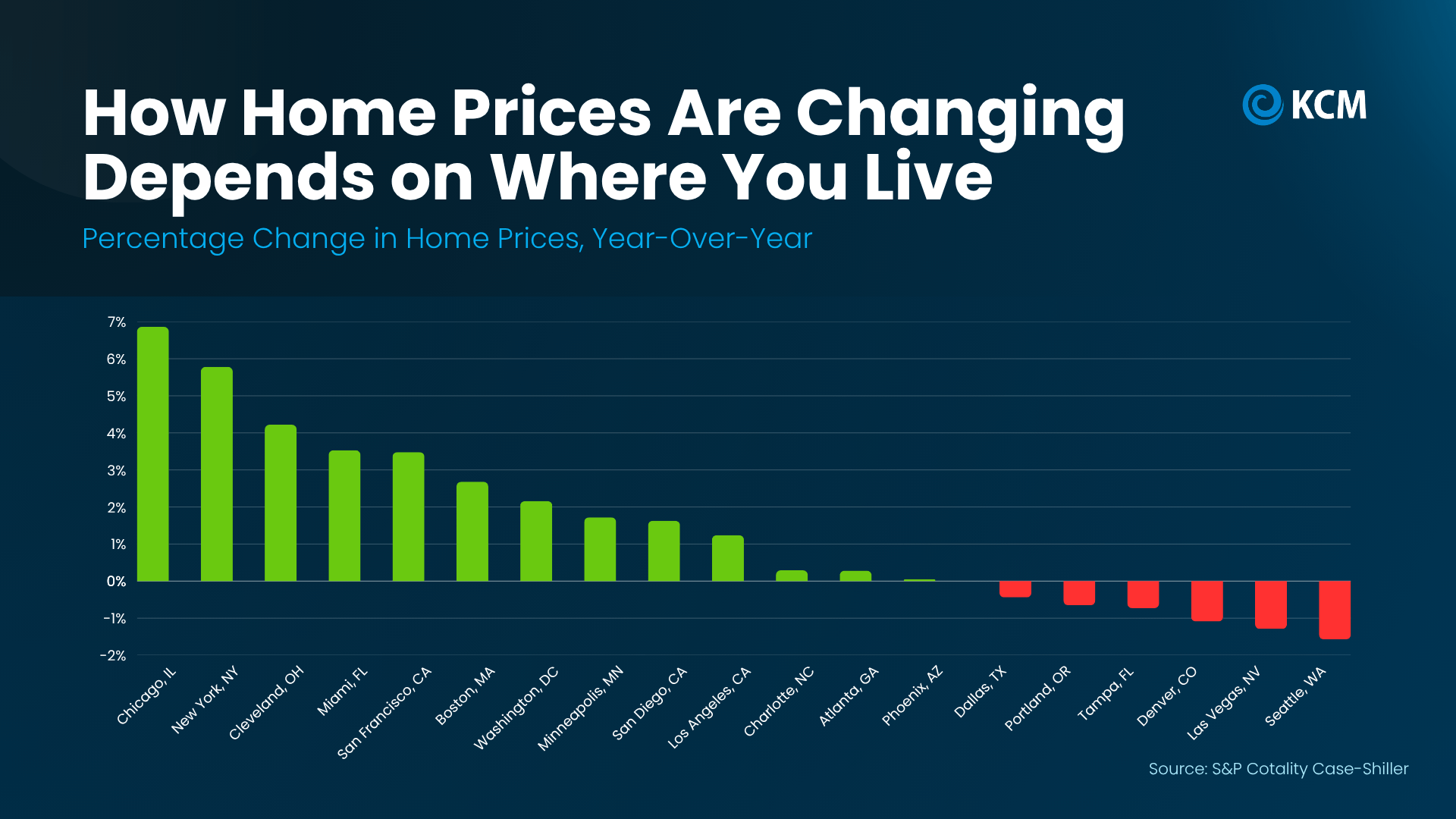
These differences can really affect your strategy. If you’re selling in New York, where prices are up nearly 6%, you may not need to lower your asking price. But if you’re buying in Denver or Las Vegas, you could have more room to negotiate a better deal.
Why You Don’t Need To Worry About a Crash
If you’re seeing small price drops in some areas and worrying that a bigger housing crash is coming, here’s what you should know. Even in major cities where prices are falling, the declines are 2% or less, which is nowhere near what happened in 2008. Plus, as the graph above shows, more cities are seeing price increases than decreases.
Over the years, home values have shown a strong track record of growth. According to the Federal Housing Finance Agency (FHFA), national home prices have increased year over year every quarter since 2012. Looking back even further, a home worth $100,000 in 1991 would be worth about $436,000 today, even after factoring in the 2008 housing crash, as shown in the graph below.
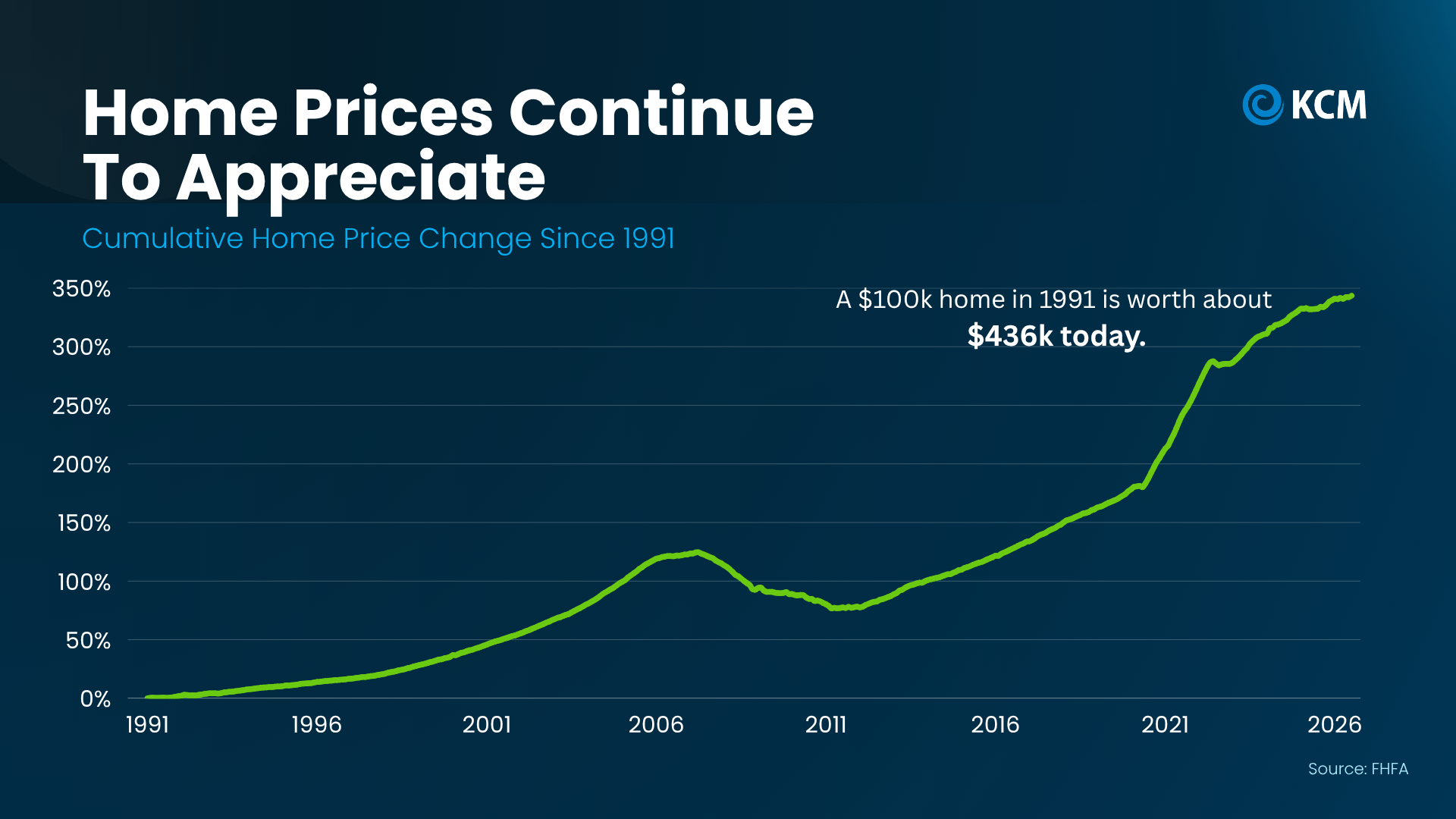
This current dip is likely temporary, especially in markets where home prices rose too quickly during the pandemic. Overall, the housing market is moving toward a more normal pace, and historically, that means home values tend to increase over time.
Bottom Line
National headlines don’t tell the whole story about your home’s value or how much negotiating room you have. Your local market does. If you’re thinking about buying or selling, let’s look at what’s happening in your area so you can price your home or make an offer with confidence.