Selling your home is a big decision, and you want the process to go smoothly. With homes taking a little longer to sell these days, renting it out might start to seem like a good backup plan.
Renting out your home can work for some people, but it also comes with a big commitment. Before you make a decision, it’s worth understanding the pros and cons so you know what’s best for you.
Why Some Sellers Are Deciding To Rent Instead
Recently, some homeowners have decided to keep their properties and rent them out instead of selling. According to Parcl, about 9% of homes currently available for rent were previously listed for sale.
Here’s why.
Some homeowners list their homes expecting to sell quickly or get a certain price, but buyers don’t respond the way they hoped. When things don’t go as planned, they decide to rent out the property instead. As Kara Ng, Senior Economist at Zillow, explains:
““Bargaining power is tilting toward buyers and homes are taking longer to sell, making renting out a property one way to buy time rather than compete aggressively on price.”
”
But here’s what’s important to remember. Just because some homeowners choose to rent instead doesn’t mean selling isn’t working. Often, success comes down to pricing your home right, getting it ready for buyers, and marketing it effectively.
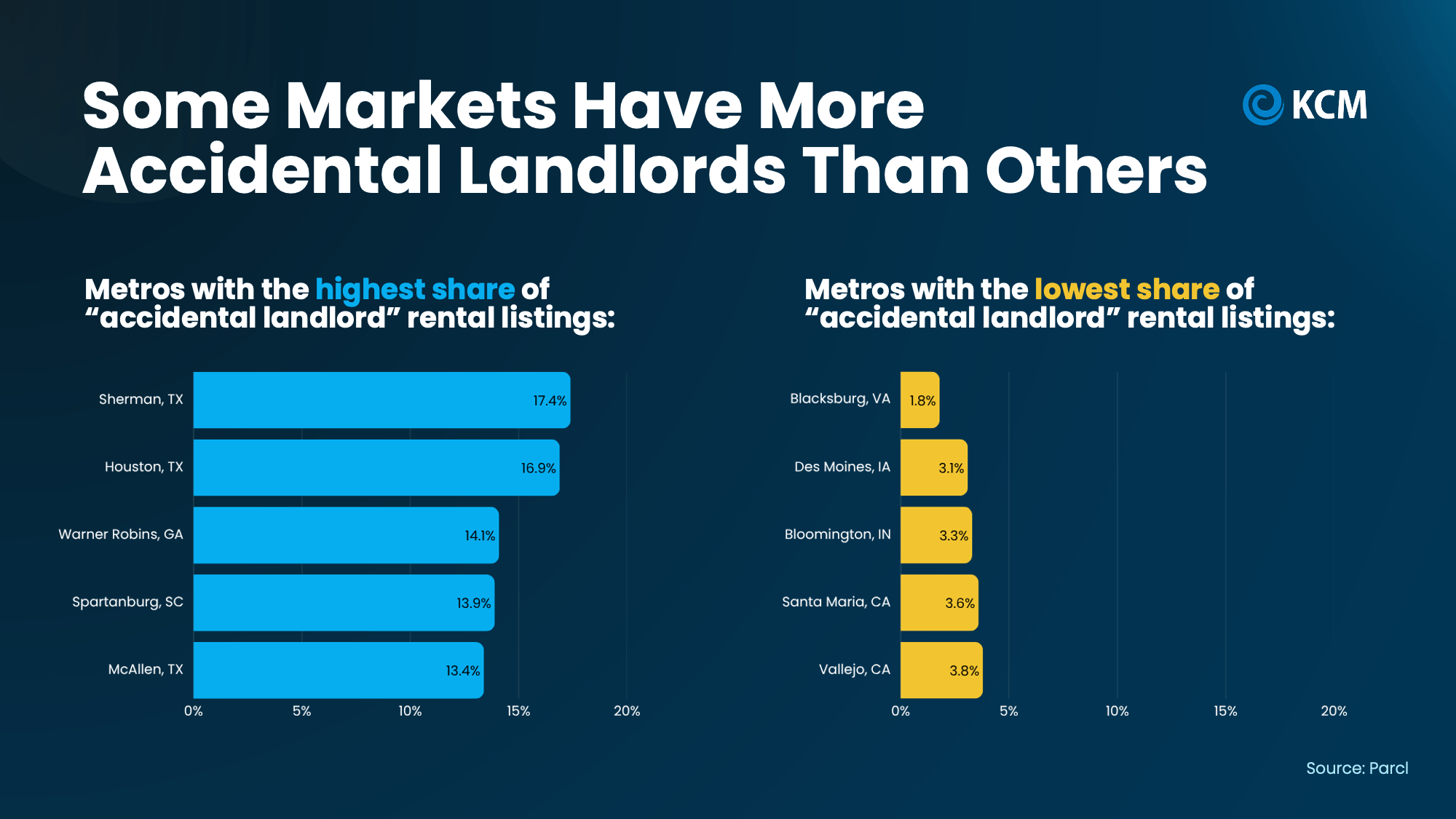
In areas like Sherman and Houston, Texas, these homeowners account for about 17% of rental listings. In markets like Des Moines, Iowa, and Bloomington, Indiana, they make up less than 4%.
That’s a big difference, and it shows why understanding your local market matters. Your neighborhood, asking price, and selling strategy can all make a difference in how smoothly your home sells.
A local real estate agent can help you understand how similar homes are selling, which strategies work best, and what options make sense for you. There’s no pressure to sell, just a clear picture of today’s market. It’s also important to understand what it would take to rent out your home before making a decision.
What Being a Landlord Actually Looks Like
Renting out your home might sound like an easy way to earn extra income, but in reality, it takes time, effort, and comes with rules you need to follow. As Invest West Management explains:
““Even if you never intended to become a landlord, the law still sees you as one — and you must meet all legal obligations that come with that role. This often includes registering the tenancy, providing tenants with certain disclosures, and ensuring the property meets safety standards.”
”
You’d also have to follow up on late rent, handle damage between tenants, and pay for unexpected repairs. Plus, you might get weekend calls about a leaking dishwasher or a broken AC unit.
There are also costs beyond everyday maintenance and repairs. According to Bankrate, here are some of the biggest expenses to keep in mind:
Insurance: Landlord insurance typically costs about 25% more than a standard homeowners policy.
Property management: If you hire a property manager, expect to pay around 10% of your rental income.
Vacancy periods: You’ll still need to cover your mortgage when your property is empty and no rent is coming in.
How To Give Your House a Strong Start
If you’re ready to take on the responsibilities of being a landlord, renting out your home could be a great option. But if selling is what you really want, don’t let today’s market make you think it isn’t possible.
The right agent can help you get there. Start by talking openly about pricing and the best way to market your home. Getting these details right from the beginning can help your home stand out to buyers, so renting doesn’t have to be your backup plan.
Bottom Line
Renting can work well for the right homeowner and property, but it’s not your only option. With the right selling strategy, your home can stand out to buyers right from the start.
If you’re still unsure, let’s talk through your options and compare what selling or renting your home would look like for you.